When selecting top-rated firewood for residential and commercial use, choose hardwoods like maple, hickory, and oak. These timber options last longer and deliver more intense heat, and decrease the number of refills due to their density. Ensure the moisture content remains under 20% for efficient combustion and reduced smoke production. When considering eco-friendly options, emphasize sustainably sourced hardwoods. By implementing these guidelines, you'll select firewood that optimizes effectiveness and eco-friendliness-explore key information further.
Key Takeaways
- Hardwood species like oak and maple are well-known for their exceptional heat generation and extended burning duration.
- Select properly dried firewood that has moisture readings below 20% for optimal burning.
- Use hardwoods instead of softwoods to lower smoke output and creosote deposits.
- Choose responsibly harvested firewood to guarantee responsible wood consumption.
- Obtaining firewood from local sources lowers the environmental footprint and delivery costs.
Important Factors When Selecting Firewood
When selecting firewood, knowing essential elements can significantly affect your burning performance and total contentment. To begin, check the moisture level of the wood. For best results, it should be under 20% to ensure efficient burning and decreased smoke production. Too much moisture results in poor burning, leading to creosote buildup in chimneys and greater pollution.
Now, consider the wood varieties. Each type of wood has unique energy outputs and burn characteristics. Hardwoods generally provide better heat production and extended burning, making them the best choice for consistent heating. However, some softwoods ignite more easily and work well for kindling. Assess your particular situation and storage capabilities when selecting the appropriate wood type. When you consider proper wood selection and moisture content, you'll get better results from your firewood.
Choosing Between Hardwood and Softwood: What You Need to Know
Choosing the ideal type of wood will significantly improve your heating experience. Hardwood offers exceptional benefits, making it an optimal choice for many. It provides extended burn time and provides more heat, thanks to its solid composition. You'll find hardwoods like oak and hickory particularly efficient, as they generate less smoke and residue, reducing maintenance on heating appliances. In contrast, softwoods, like pine or cedar, have considerable drawbacks. They consume more quickly and produce more smoke, causing increased creosote buildup, which may become a fire hazard. While softwoods are quicker to start, they aren't ideal for long-lasting heat. Consider your specific needs and compare the hardwood benefits against softwood drawbacks to make the best choice for your residence or establishment.
Essential Firewood Types for Home Heating
If you're looking to maximize how efficiently you heat your home, choosing the right firewood is essential. Select hardwoods like oak, maple, and hickory, which offer superior heat output due to their compact composition. These woods provide extended burn times and generate more warmth compared to softwoods. Factor in the seasonal access of your chosen wood type. Oak, for instance, is easily accessible in many regions, making it a reliable choice throughout the cold season. Ascertain your firewood is properly seasoned, with a moisture content below 20%, to enhance burning efficiency and minimize creosote buildup. Don't use green or freshly cut wood, as it provides inefficient heating and may create smoking problems. By selecting the right firewood, you'll boost heat production and maintain a comfortable home environment.
Optimal Firewood Selections for Commercial Purposes
For companies in need of optimal firewood for commercial applications, it's crucial to focus on cost-effectiveness and efficiency. To begin, choose hardwoods such as oak, hickory, and maple because of their superior heat output and longer burn times. These wood varieties minimize the requirement for refueling, leading to savings on time and labor costs. On the other hand, softwoods like pine are not as effective, burning more quickly and generating more creosote. Take into account commercial availability; buying locally can lower transportation costs and ensure timely delivery. Build partnerships with dependable suppliers who ensure consistent quality and quantity. Put money into seasoned wood, as it's drier and burns more effectively, improving both performance and safety. By carefully choosing the right firewood types and securing commercial availability, you can optimize your business's heating efficiency and reduce operational website costs.
Green Firewood Solutions
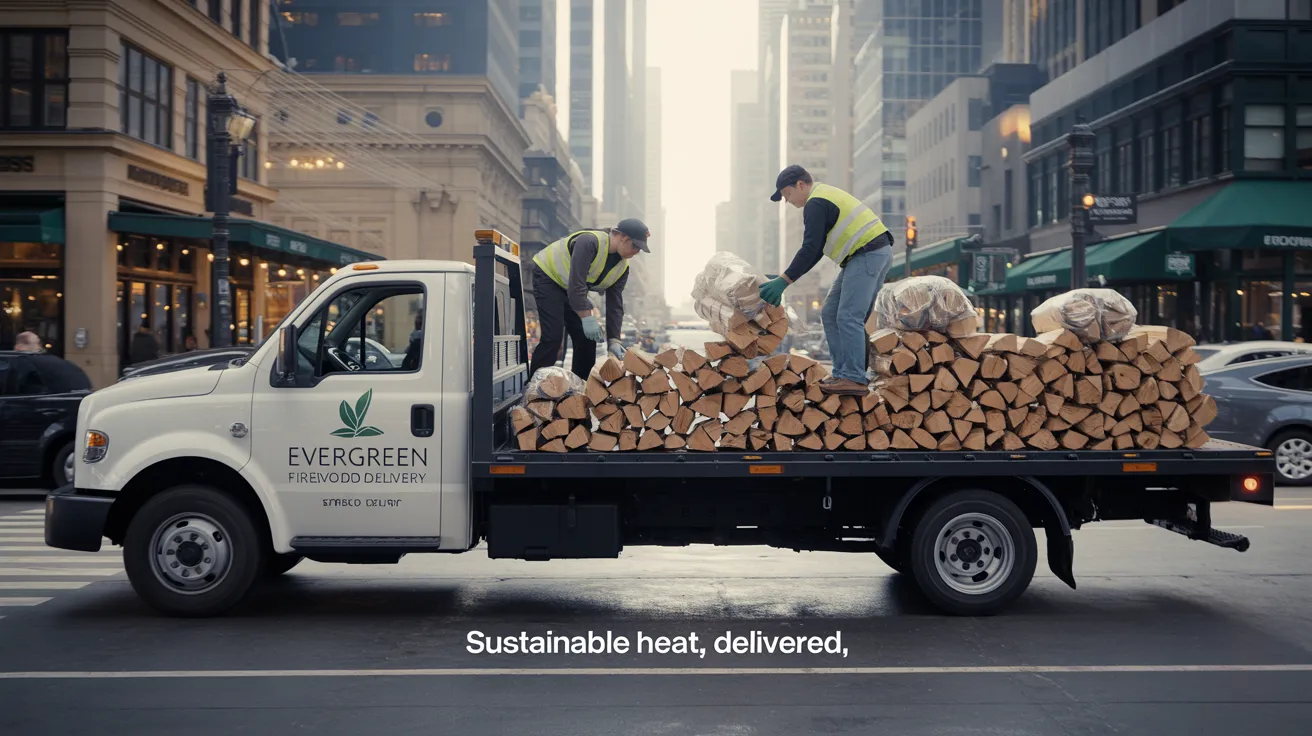
Although the environmental impact of firewood is commonly disregarded, opting for eco-friendly firewood can greatly reduce your carbon footprint. To attain this, concentrate on sustainable sourcing. Select firewood from well-managed forests where trees are replanted to preserve ecological balance. Look for certifications like FSC (Forest Stewardship Council) that ensure responsible management practices. Dense woods like oak and maple combust more efficiently and emit less smoke, boosting air quality. Avoid wood treated with chemicals, as they release harmful toxins during incineration. By picking local firewood, you also reduce emissions related to transportation, further lowering your carbon footprint. Applying these methods not only contributes to environmental conservation but also provides a more environmentally friendly and more efficient heating solution for your residence or business.
Common Questions & Answers
How Can You Store Firewood to Maintain Quality?
For optimal firewood preservation, concentrate on storing wood correctly and controlling moisture levels. Elevate your woodpile to ensure proper airflow between logs. Cover the top with a tarp, but leave the sides open to prevent moisture buildup. Store the stack in a well-lit, moisture-free area to expedite drying. Think about placing pallets to raise the woodpile, keeping groundwater at bay. Check regularly for any signs of mold or pests.
What's the Standard Price for a Cord of Firewood?
Imagine a comfortable hearth as a symbol of comfort and coziness, and think about firewood rates. You'll notice that the average cost of firewood per cord varies considerably, often ranging from $120 to $400. Variables that impact the cost involve the species of wood, market demand, and shipping charges. When determining a cord, note it's a stacked volume of 128 cubic feet. Make sure to check rates and research local suppliers for the best deals.
How Long Should Firewood Be Seasoned Before Use?
You need to season firewood for a minimum of 6-12 months to ensure it's suitable for burning. The seasoning process decreases firewood moisture to below 20%, which enhances burning efficiency and reduces creosote buildup in chimneys. This method offers significant seasoning perks, like simpler lighting and decreased smoke generation. To achieve ideal results, arrange the firewood in a dry area with good airflow, keeping it off the ground to allow for proper air circulation.
Does Stored Firewood Attract Insects and Termites?
Consider firewood similar to an open invitation, discreetly attracting pests and termites into your home. Indeed, firewood may bring these uninvited visitors. For effective pest prevention, place it no less than 20 feet from your building, maintaining it elevated and dry. This supports termite control, as dampness and soil exposure create perfect conditions. Perform routine checks and treat any infested wood promptly to protect your home from these unwanted visitors.
Is Transporting Firewood Across State Lines Legal?
Before carry firewood across state lines, you should be aware of regulatory guidelines. States often implement regulations for preventing the proliferation of destructive insects. Regulatory reviews are often mandatory to verify conformity with requirements. Review the guidelines covering the state you're leaving and your destination. It's crucial to determine if any permits are needed and to observe guidelines to escape sanctions.
Summary
While choosing firewood, think about its efficiency and environmental impact. As an example, picture a cozy home depending on seasoned oak for its powerful heat, while a bustling restaurant uses kiln-dried birch to maintain a stable flame in its oven. These examples demonstrate the value of selecting the appropriate firewood for your purposes. Focus on hardwoods for enduring heat and softwoods for kindling. Ensure your firewood is sustainably sourced to preserve our forests and reduce your carbon footprint.